

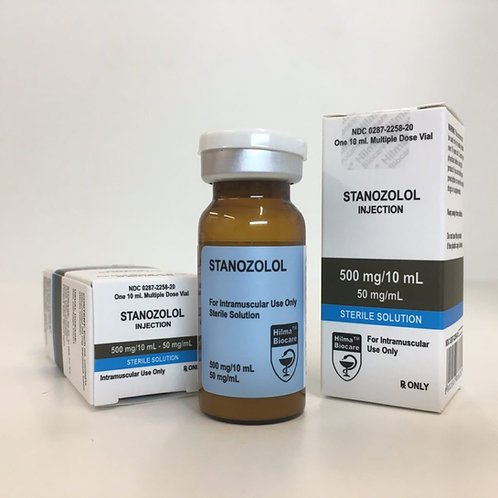



Stanozolol Injection For Sale Online – Buy Stanozolol Injection Online At Bio Chem Zone
Stanozolol is an Injection belongs to the most popular injectable anabolic-androgenic steroids. Bodybuilders love it for the special features of its active substance, stanozolol, which causes, that the product has very useful effects in both cutting and bulking cycles. LA injection leads to the growth of stable high-quality muscles. As they are not made by water, they do not disappear after the steroid cycle is ended. For this reason, injection (LA) is so popular during bulking cycles. In contest preparation,LA injection is used for its tendency not to retain any excess water in the body. Thanks to this feature, the product can provide incredible results in cutting muscles.
For the purpose of the growth of muscles, it is recommended to stack l with trenbolone, testosterone-mix or nandrolone decanoate to achieve the maximal results. In preparation for competitions, bodybuilders normally combine with trenbolone acetate, methenolone enanthate, oxandrolone, fluoxymesterone, or testosterone propionate
The maximal daily dose of Stanozolol for men is 50 mg; women should not take more than 10 mgnjections cannot be used for more than eight weeks.
For the purpose of the growth of muscles, it is recommended to stack l with trenbolone, testosterone-mix or nandrolone decanoate to achieve the maximal results. In preparation for competitions, bodybuilders normally combine with trenbolone acetate, methenolone enanthate, oxandrolone, fluoxymesterone, or testosterone propionate. The use of l may lead to an increased level of cholesterol, headache, and pain of joints or hypertension. It can also be toxic for the liver when the recommended time of use is exceeded.
Primary Medical Uses
- Hereditary Angioedema: It is prescribed to prevent and reduce the frequency and severity of swelling attacks (angioedema) in the face, bowel, throat, or limbs.
Important Safety Risks & Side Effects
- Liver Damage: Can cause serious liver toxicity, jaundice, peliosis hepatis, and liver tumors.
- Cardiovascular Risks: Increases “bad” LDL cholesterol, lowers “good” HDL cholesterol, and raises the risk of high blood pressure, heart attacks, and strokes.
- Hormonal Changes: Suppresses natural testosterone production, causes severe acne, male-pattern baldness, and deepening of the voice, facial hair growth, or menstrual irregularities in females.
- Psychiatric Effects: May trigger mood swings, aggression, irritability, and depression.
Does stanozolol increase testosterone levels?
No, stanozolol does not increase natural testosterone levels; instead, it suppresses them.
How Stanozolol Affects Hormones
- Suppression: Taking stanozolol (often known by the brand name Winstrol) signals the brain to stop producing luteinizing hormone (LH). This leads to a sharp drop in your body’s natural testosterone production. Studies show it can lower blood testosterone levels by over 50%.
- Mimicking: Stanozolol is a synthetic anabolic steroid designed to mimic the tissue-building effects of natural male hormones, but it acts as an exogenous (external) compound rather than raising your endogenous (internal) levels.
- SHBG Reduction: Stanozolol significantly lowers Sex Hormone-Binding Globulin (SHBG), which can temporarily increase the fraction of
free testosterone in the blood, but total natural testosterone output still plummets due to hypothalamic-pituitary suppression.
- Side Effects: Low natural testosterone from stanozolol use can cause side effects like testicular shrinkage, low sex drive, and fertility issues
What are the effects of stanozolol on the heart?
Stanozolol, an anabolic-androgenic steroid, causes significant adverse effects on the heart and cardiovascular system, including cardiac enlargement, high blood pressure, and severe lipid imbalances.
Structural and Functional Cardiac Effects
- Cardiac Hypertrophy: Stanozolol promotes abnormal thickening of the heart muscle, particularly left ventricular hypertrophy and increased relative heart weight.
- Ventricular Dysfunction: It alters how the heart contracts and relaxes, decreasing phospholamban (PLB) phosphorylation and impairing overall left ventricular function.
- Myocardial Damage and Fibrosis: Studies show that stanozolol increases cardiac damage markers, triggers severe myocardial disorganization, cell necrosis, and leads to excess collagen deposition and scar tissue in the heart muscle.
- Oxidative Stress and Inflammation:
It elevates inflammatory mediators (such as TNF-α) and oxidative stress within cardiac tissues, accelerating tissue injury.
Blood Pressure and Hemodynamics
- Hypertension: Chronic stanozolol use raises mean arterial pressure and total peripheral resistance, forcing the heart to work harder against increased vascular load.
- Altered Reflexes: It disrupts autonomic control and baroreflex responses that regulate normal heart rate and blood pressure.
Cholesterol and Vascular Risks
- Dyslipidemia: Stanozolol drastically worsens the lipid profile by raising low-density lipoprotein (LDL or “bad”) cholesterol and total cholesterol while sharply lowering high-density lipoprotein (HDL or “good”) cholesterol.
- Atherosclerosis and Thrombosis: The combination of poor lipid profiles, increased vascular lipid deposition, systemic inflammation, and prothrombotic (clot-promoting) tendencies elevates the risk of blocked arteries, heart attacks, and strokes.
Does stanozolol affect sperm?
Yes, stanozolol significantly impairs sperm production, quality, and male fertility.
How Stanozolol Affects Sperm
- Hormonal Suppression: Stanozolol is an anabolic-androgenic steroid (an artificial version of testosterone). When introduced to the body, it tricks the brain (via negative feedback on the hypothalamic-pituitary-gonadal axis) into stopping the release of luteinizing hormone (LH) and follicle-stimulating hormone (FSH). These hormones are required to stimulate the testes to produce natural testosterone and sperm.
- Decreased Sperm Count and Quality: Stanozolol leads to a sharp drop in sperm concentration (oligospermia or complete absence of sperm/azoospermia), reduced sperm motility (movement), lower viability, and an increase in abnormal sperm morphology and DNA damage.
- Testicular Damage: It can cause testicular shrinkage (atrophy) and direct histological damage to the seminiferous tubules and spermatogenic cells inside the testicles.
Recovery
- Timeframe: Once stanozolol use is stopped, sperm production often takes several months to recover (frequently 4 to 12 months) as the body’s natural hormone signaling slowly restarts.
- Persistent Risk: In cases of long-term or heavy abuse, recovery can be prolonged, and some individuals may experience persistent or incomplete fertility recovery. Medical evaluation and therapies (such as gonadotropins or selective estrogen receptor modulators) are sometimes used by specialists to help restore function.
Does stanozolol show up on a drug test?
Yes, stanozolol (commonly known by its brand name Winstrol) does show up on specialized drug tests, particularly in sports doping and forensic analyses, though it is not detected by standard 5-panel or 12-panel workplace drug screens.
How Stanozolol is Tested
- Target Tests: It is identified using advanced laboratory methods such as Gas Chromatography-Mass Spectrometry (GC-MS) or Liquid Chromatography-Tandem Mass Spectrometry (LC-MS/MS), which look for stanozolol and its specific long-term metabolites (such as 17-epistanozolol-N-glucuronide and other sulfate/glucuronide markers) in urine or blood.
- Standard Panels: Routine pre-employment or general medical drug screens test for common street and prescription drugs (like THC, opioids, amphetamines, and cocaine) and will not flag anabolic steroids.
Detection Windows
- Urine Tests: Stanozolol and its primary/long-term metabolites can be detected in urine for anywhere from 12 days to around 28 days (and sometimes up to several weeks depending on dosage and metabolism).
- Oral vs. Injected: Oral tablets tend to clear the body a bit faster (weeks to about a month), whereas intramuscular oil or water-based injections can linger and be detected for several months.
- Blood / Hair: Blood tests can spot it for up to roughly 14 days, while hair follicle tests can track usage for much longer periods (up to several months)









Reviews
There are no reviews yet.